Ridley / Uncrewed surface vessel
Ridley USV.
Water monitoring
in motion.
Ridley is Patara’s compact uncrewed surface vessel (USV), designed for autonomous water-quality surveys. Its purpose is to connect readings to locations, bringing a spatial view of water quality beyond the shoreline.
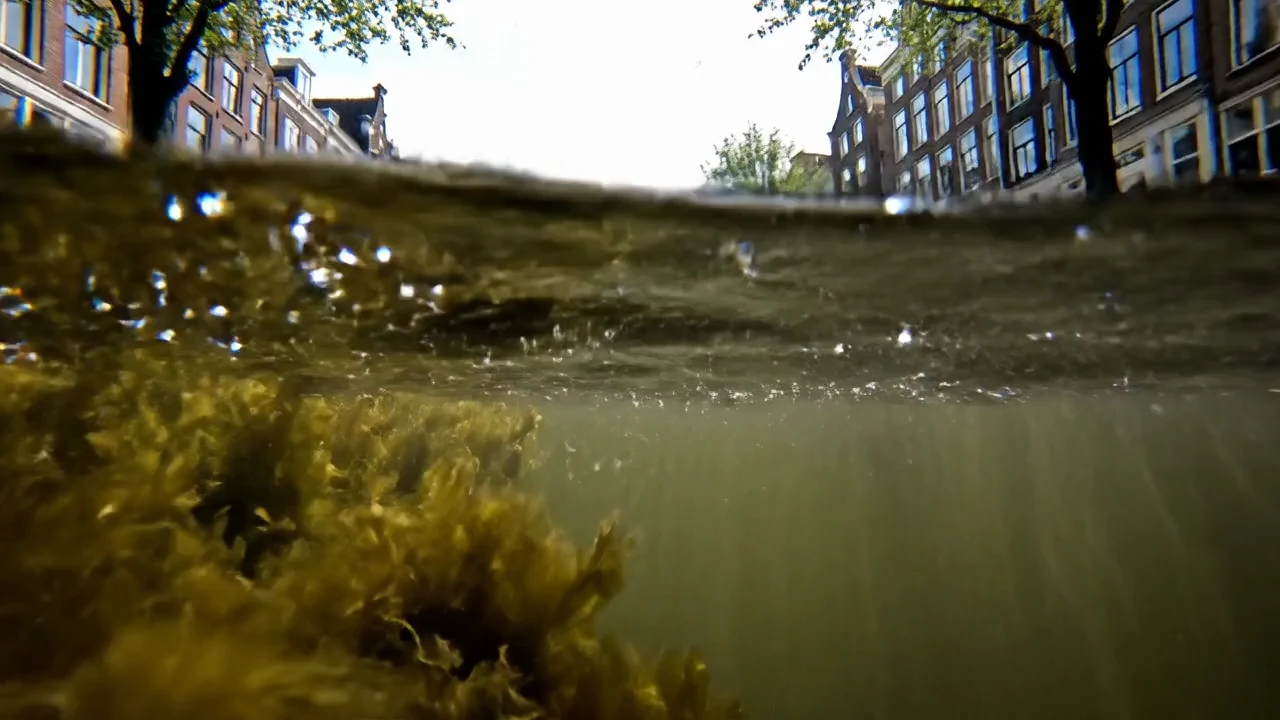
A reading is useful.
Its location adds context.
A measurement at one point describes that point at that time. Across a canal or pond, conditions can differ. A mobile survey helps connect those observations and identify where further investigation may be useful.
Ridley brings the vessel, environmental sensing and survey information into one design approach. A small footprint and repeatable routes are central to its intended role in canals and urban waterways.
USV also commonly stands for “unmanned surface vehicle” or “uncrewed surface vehicle.” These terms describe a craft that operates on the water’s surface without an onboard crew. Ridley’s focus is water-quality monitoring.
Explore mobile water monitoringThe intended survey workflow
From route to reading.
From reading to context.
Plan the coverage
Start with the monitoring question. Define a route and locations to revisit, considering access, waterway conditions and the measurements required.
Connect observations
Pair readings with coordinates and timestamps. Keep the sampling context with the data so differences along a route can be interpreted.
Compare surveys
Return to comparable locations and examine changes over time. Use those observations to focus follow-up measurements and investigation.
What the
measurements mean.
Our mission preview illustrates dissolved oxygen, temperature, pH, electrical conductivity and turbidity. Together, these parameters show different aspects of the water’s physical and chemical condition.
The preview uses synthetic example readings, not measurements collected in Amsterdam. It demonstrates a way to explore survey information; it is not a sensor specification or a documented deployment.
For a pilot, the monitoring question determines which parameters, probes, calibration procedures and reference measurements are appropriate. A change in one parameter can guide investigation without identifying a particular pollutant or its source.
Read about the five parametersBuild a pilot around
a real question.
We welcome conversations with water managers, municipalities, environmental researchers and organisations exploring mobile monitoring. A useful starting point is a specific waterway and a decision that better observations could support.
- Water management: investigate how conditions differ between locations and identify priorities for follow-up.
- Environmental research: discuss spatial coverage, repeated observations and measurement protocols.
- Urban waterways: explore how canal or pond surveys could complement existing monitoring.
A pilot discussion covers site suitability, access and operating requirements, data quality and the evidence needed to evaluate the survey. Together, these define what a meaningful result would look like.
Meet the company behind RidleyStart with your waterway
What would a better
survey help you see?
Tell us about the waterway, the questions you need to answer, and the decisions the measurements should support.
Discuss a pilot project